Surface preparation might not sound exciting, but it’s the foundation of any great paint job. Skipping or rushing this step is the main reason many painting projects fail early—peeling, cracking, bubbling, or uneven color can appear in just months. Good prep ensures the paint sticks properly, looks smooth, and lasts for years.
Whether you’re refreshing interior walls or updating exterior siding, taking time to clean, repair, and prime surfaces pays off. Professionals know that spending extra hours on preparation prevents costly fixes later and delivers a finish you’ll love looking at every day.
Understanding why prep matters and how it’s done helps you appreciate the value of quality work. Here’s a closer look at what proper surface preparation involves and why it makes such a big impact.
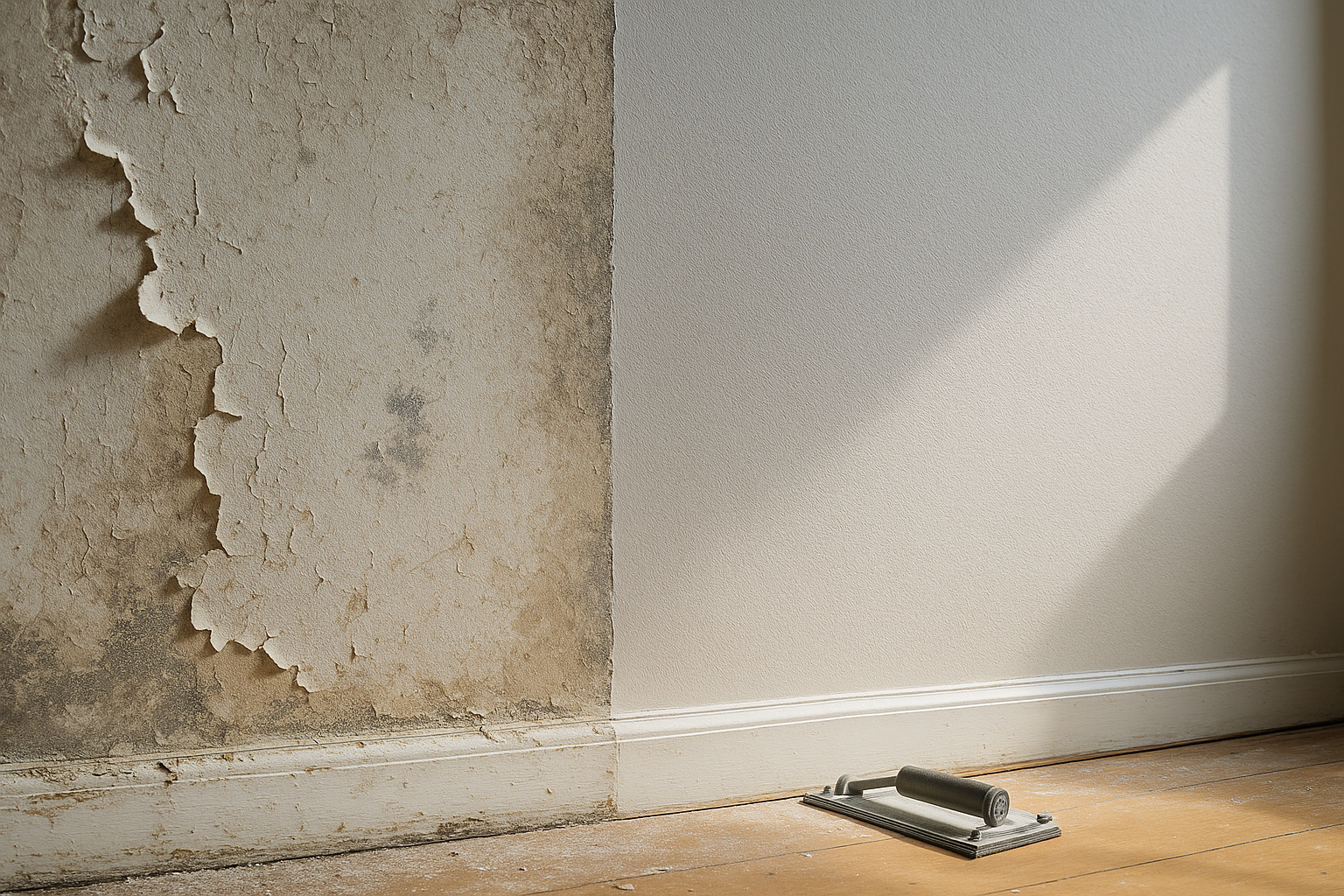
When surfaces aren’t prepared correctly, problems show up fast. Dirt, grease, or old loose paint prevents new paint from bonding well. This leads to peeling or flaking soon after the job is done. Even small oversights like missing a crack can cause bigger damage over time.
Moisture trapped under paint creates bubbles or blisters. Glossy surfaces that aren’t sanded cause poor adhesion too. These issues not only look bad but often mean repainting much sooner than expected.
Many homeowners searching for house painting Calgary services quickly learn that reputable painting companies calgary residents trust never cut corners on this crucial phase.
Cleaning is the first and most basic step in preparation. Walls, trim, and ceilings collect dust, grease, fingerprints, and smoke residue over time. Paint applied over these contaminants won’t stick properly and may look patchy.
Professionals wash surfaces with mild detergents or specialized cleaners. In kitchens or bathrooms, they remove grease buildup completely. This simple step creates a clean base that allows paint to bond strongly and evenly.
For exterior jobs, power washing removes dirt, mildew, and chalky residue from old paint. Clean surfaces mean better coverage and longer-lasting results.
Walls rarely stay perfect over time. Small nail holes, dents, cracks, or water stains need attention before painting. Filling these with quality spackle or patching compound creates a smooth, even surface.
Larger repairs might involve drywall patches or caulking gaps around windows and trim. Professionals feather edges of repairs so they blend invisibly. Skipping repairs leads to visible lines or cracks appearing through new paint later.
This step is especially important in older homes where settling causes hairline cracks. Proper fixing prevents them from reopening and ruining the fresh look.
Sanding removes glossy sheen, rough spots, and minor imperfections. It creates tiny scratches that help new paint grip the surface tightly. Without sanding, paint can peel easily from slick areas like old enamel or varnished wood.
Professionals use the right grit paper—coarser for heavy removal, finer for finishing. They sand between coats too for ultra-smooth results. This step also helps feather repaired areas so they disappear under paint.
Dusting thoroughly after sanding prevents particles from getting trapped in the fresh paint and causing bumps.
Primer isn’t always needed, but when it is, it makes a huge difference. It seals porous surfaces, blocks stains, and creates uniform absorption so topcoats look even. On bare wood or drywall, primer prevents the paint from soaking in unevenly.
Stain-blocking primers stop bleed-through from water marks, smoke, or tannins. Bonding primers help paint stick to tricky surfaces like glossy paint or metal. Using the right primer extends the life of your paint job significantly.
Professionals choose primers matched to the surface and topcoat for best performance. This extra layer is a small investment that prevents major issues.
Proper prep directly impacts how long paint lasts. Well-prepared surfaces resist peeling, cracking, and fading much longer. In high-traffic areas like hallways or kitchens, good adhesion means less wear and easier cleaning.
Exterior paint jobs benefit even more from thorough prep because they face weather challenges. For more on how weather and outdoor factors influence painting success, see our guide to exterior conditions.
Investing time upfront saves money and effort on touch-ups or full repaints later. A job done right can last 7–10 years indoors and 5–7 outdoors with proper preparation.
DIY preparation often misses steps due to time or knowledge limits. Homeowners might skip priming or thorough sanding, leading to disappointing results. Professionals have the tools, experience, and eye for detail to spot and fix issues others overlook.
They work efficiently and safely, especially on ladders or with chemical cleaners. The difference shows in the final finish—smooth, flawless, and built to last.
While DIY saves money short-term, professional prep often costs less in the long run by avoiding early failures.
Proper surface preparation is the unsung hero of every successful painting project. It prevents common failures, ensures beautiful even results, and extends the life of your paint job significantly.
Taking time to clean, repair, sand, and prime creates a strong foundation that makes the difference between a paint job that looks okay for a couple years and one that stays fresh and vibrant for a decade.
When you understand and value this crucial phase, you’ll see why professional results stand
Image Line Painting, based in Calgary, delivers a premium painting service built on a commitment to quality craftsmanship and customer satisfaction, backed by over 15 years of experience. As the city’s trusted Interior & Exterior Painters Calgary, the firm provides a comprehensive range of solutions for both residential and commercial clients, including detailed work by expert interior painters Calgary, cabinet refinishing, and specialized exterior coatings. Recognised for its meticulous attention to detail and proven by a perfect 5.0 rating, its team of professional painters operates from 9 AM Monday to Friday and can be contacted for a free estimate on their primary line, +1 403-613-1045, or through their website imagelinepainting.com.
Name: Image Line Painting
Address: 4568 6 St NE, Calgary, AB T2E 3Z7, Canada
Phone: +1 403-613-1045
Website: https://imagelinepainting.com/